
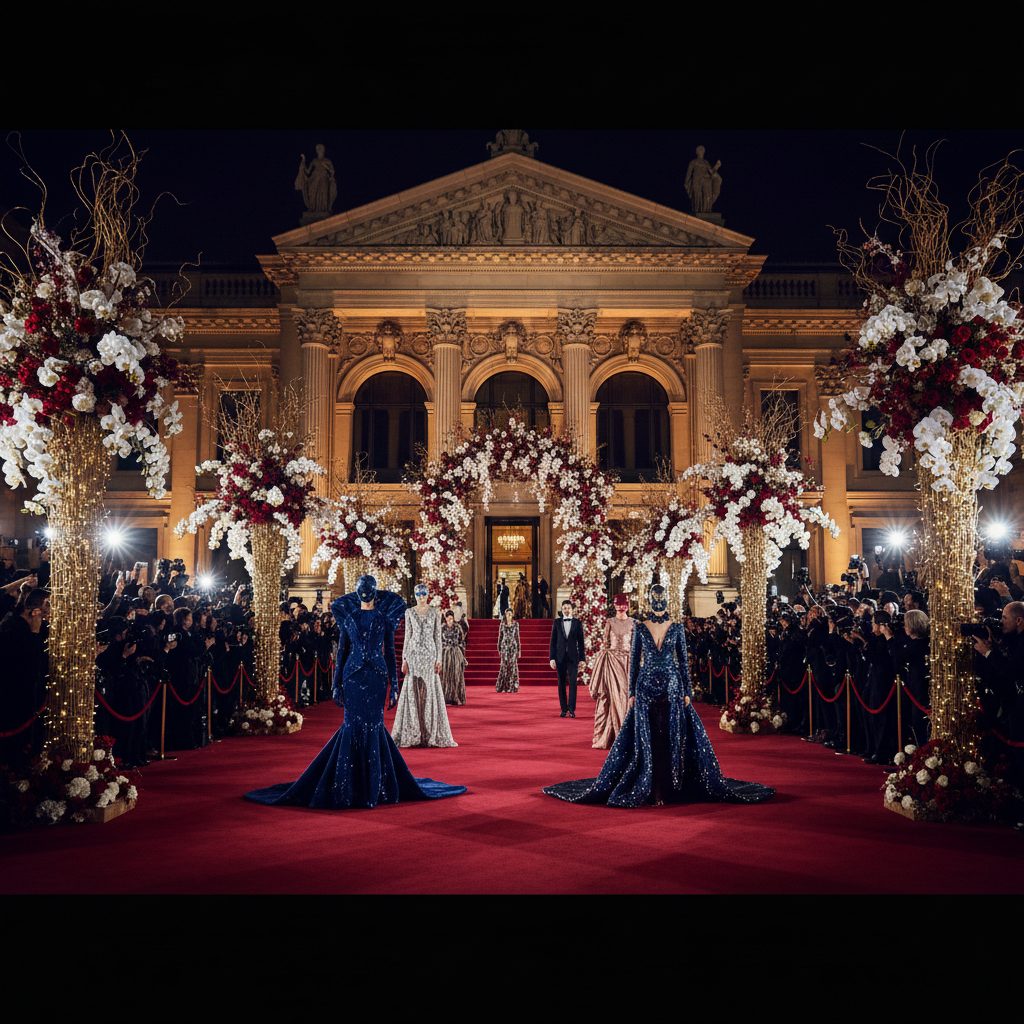
The camera clicks, the crowd surges, and a celebrity glides down the carpet in a gown that looks as though it materialized from thin air. But understanding how red carpet fashion works reveals something far more interesting than magic: a sophisticated, high-stakes industry built on relationships, deadlines, insurance policies, and an enormous amount of creative labor that happens almost entirely out of public view. From the stylist’s first call to the jeweler’s security escort, this is what actually happens before the flashbulbs fire.
The Stylist: Creative Director of a Public Image
At the center of every major red carpet look is the stylist. Not a personal shopper, not a friend with good taste, but a working creative professional whose job is to build and maintain the visual narrative of a public figure’s fashion identity. The best stylists operate less like wardrobe consultants and more like brand strategists — they think in terms of decades, not individual outings.
Power stylists like Law Roach, Kate Young, Elizabeth Stewart, and the duo Wayman + Micah have become publicly recognized names in their own right, which is itself a measure of how central the role has become. Each has a distinct aesthetic philosophy and a roster of clients whose red carpet trajectories they help shape. The relationship between a top stylist and their client is close, trust-based, and often exclusive — meaning the stylist works with that client alone on major events, allowing for a coherent long-term vision.
What a Stylist Actually Does
- Research and vision — months before an event, the stylist studies the client’s current projects, public positioning, and the cultural moment to develop a concept for the look.
- Designer outreach — they contact design houses directly, pitching why their client is the right person for a particular piece, and negotiate the terms of the loan or commission.
- Pulls and fittings — multiple garments are pulled for consideration; the chosen piece typically goes through several fittings for alterations.
- Accessories coordination — shoes, bags, and jewelry are sourced separately, often from different houses, and the stylist manages the logistics of assembling the complete look.
- Day-of management — the stylist is present during dressing, manages any last-minute alterations, and often travels with the client to the venue.
Browse more on the business of celebrity style in our lifestyle category and follow current red carpet arrivals in the red carpet section.
The Designer Loan: A Mutual Business Transaction
When a celebrity wears a designer gown on the red carpet, that garment is almost always borrowed, not purchased. The loan system is the engine of red carpet fashion, and it operates on a logic of mutual benefit: the celebrity gets access to extraordinary clothing at no cost; the designer gets their work photographed on a high-profile figure and distributed globally.
For major fashion houses — Versace, Valentino, Dior, Balenciaga, Saint Laurent — a single widely-circulated image of their gown on a significant celebrity can generate press coverage equivalent to a substantial advertising buy. The calculus is especially favorable because the images are editorial rather than advertorial: they appear in news coverage, on magazine covers, and across social media as organic content rather than paid placement.
How the Loan Process Works
The stylist initiates contact with the brand’s PR or celebrity relations team, who assess the request against several criteria: Is the celebrity aligned with the brand’s identity? What other events are they attending this season — and is anyone else from the brand’s stable already confirmed for the same night? Is the garment available, or is it needed for editorial or runway commitments?
If the loan is approved, the garment is sent to the stylist for fitting. Alterations may be made by the brand’s own atelier. Some pieces are returned to exactly their original condition after the event; others may be gifted to the celebrity, particularly when the relationship between star and brand is an ongoing partnership. The entire arrangement is typically governed by a formal agreement specifying care, insurance, and return timelines.
Custom vs. Borrowed: When Brands Build From Scratch
Not every red carpet look is a loan of an existing piece. For the highest-profile events — particularly the Met Gala and the Oscars — brands will sometimes create entirely custom garments for a specific celebrity. These pieces require months of work and represent a significant investment by the house, justified by the expectation that the images will define the brand’s presence in a particular cultural moment.
Custom work also allows for a deeper narrative. When a brand builds a piece specifically for a star — incorporating references to their work, heritage, or public persona — the resulting story is richer than a loan of an existing garment, and it tends to receive more detailed coverage. The behind-the-scenes content alone — sketches, fitting footage, atelier shots — can sustain weeks of social media engagement.
For an example of how custom red carpet dressing can define a celebrity’s public image over time, see our profile of Zendaya, whose collaborations with designers have produced some of the most discussed custom looks of the past decade.
The High Jewelry Loan: Stakes, Security, and Insurance
If borrowed gowns are the norm, borrowed jewelry represents an even higher-stakes transaction. The jewels worn on major red carpets are often extraordinary pieces — historic diamonds, one-of-a-kind statement necklaces, rings and earrings whose retail value runs into the millions. They are loaned by jewelry houses including Chopard, Bulgari, Harry Winston, Tiffany, and Cartier under arrangements that involve detailed contracts, dedicated security personnel, and insurance policies covering the full replacement value of the pieces.
What the High Jewelry Loan Involves
- Pre-event selection — the stylist visits the jeweler’s showroom or vault to select pieces that complement the chosen gown; some pieces are reserved for specific clients or events.
- Security escort — significant pieces are transported by armed courier and may be accompanied by a jeweler’s representative throughout the event.
- Insurance — all borrowed jewelry is insured for its full value from the moment it leaves the jeweler’s possession until it is returned, typically within 24–48 hours of the event.
- Return protocol — pieces are returned in person, inspected, and formally receipted; the entire chain of custody is documented.
The jeweler’s benefit mirrors the designer’s: an image of their pieces on a major celebrity, distributed across global media and social platforms, positions the brand in the imagination of consumers who may never afford the pieces but whose desire contributes to the brand’s cultural authority.
Sponsorship and Commercial Partnerships
The loan system shades, at its far end, into formal commercial partnership. Some celebrity-brand relationships are governed by paid contracts: the celebrity agrees to wear the brand’s pieces at specified events, mention the brand in press interviews, and post content from the event on their social channels. In exchange, the brand pays a fee — ranging from modest arrangements with emerging designers to substantial sums for the highest-profile partnerships.
These arrangements are not always disclosed publicly, which has prompted ongoing discussion within the fashion press about transparency. Most major publications that cover red carpet fashion treat the question of whether a look was paid or organic as editorially significant, though the information is not always available. The distinction matters to consumers who are trying to understand whether they are reading fashion journalism or effective advertising.
The Fitting Process: Where the Real Work Happens
For both custom pieces and significant loans, the fitting process is where the look is actually made. A gown that photographs beautifully on a runway may require substantial alteration to move correctly on a specific body — and movement matters enormously on the red carpet, where the celebrity is photographed walking, turning, posing, and climbing stairs.
Multiple fittings are the norm. The first fitting establishes the basic silhouette and identifies the major alteration needs. Subsequent fittings refine the fit, test the movement, and confirm that every element — hemline, neckline, structure — works as intended. The final fitting, typically a day or two before the event, is the definitive check. By this point the accessories have been confirmed, and the stylist and dressmaker are assessing the complete look rather than individual components.
Hair, Makeup, and the Complete Picture
The red carpet look extends beyond clothing and jewelry. Hair and makeup are coordinated by the stylist in collaboration with the celebrity’s hair stylist and makeup artist — professionals who may have worked with the client for years and understand their face and preferences at a granular level. The goal is a complete picture: a look in which every element serves the same visual argument.
For major events, the hair and makeup team will do test runs in advance. Different options are tried, photographed, and assessed. The final decisions are made collaboratively, with the stylist functioning as the creative director who ensures everything coheres.
When It Goes Wrong: The Risks of the System
For all its choreography, the red carpet is not risk-free. Gowns arrive late. Alterations go wrong in the final fitting. A celebrity changes their mind at the last moment, triggering frantic calls to find an alternative. Jewelry is delayed by customs or security protocols. The system operates under extreme time pressure, and its logistics are more fragile than the polished results suggest.
There are also reputational risks. A look that misses the mark — that reads as costume rather than fashion, or that conflicts with a cultural moment — can dominate coverage for the wrong reasons. Stylists and celebrities invest heavily in getting it right precisely because the cost of getting it wrong is immediate and highly public.
Related Reading
Frequently Asked Questions
Do celebrities pay for the clothes they wear on the red carpet?
In most cases, no. The dominant model is the designer loan: the brand provides the garment at no charge in exchange for the exposure generated by photographs and coverage. Some arrangements involve payment, particularly at the level of formal brand partnership, but the loan system is the norm.
What happens to red carpet gowns after the event?
Loaned pieces are returned to the designer, typically within 24–48 hours of the event, in their original condition. Custom pieces may be gifted to the celebrity, retained by the brand for archival or exhibition purposes, or donated to museum collections. Some notable pieces are later auctioned for charity.
How far in advance is a red carpet look planned?
Major looks — particularly for events like the Met Gala or the Oscars — are typically in development two to four months before the event. Custom pieces require the longest lead time; significant loans involving alterations also require several weeks. The day-of look, however polished it appears, is the result of months of groundwork.
What is a celebrity stylist’s fee?
Stylist fees vary widely based on the stylist’s profile, the client’s, and the scope of the engagement. Top stylists working with A-list clients on major awards seasons command substantial day rates and may also receive a percentage of any brand partnership value generated through their work. Specific figures are rarely disclosed publicly.
Do all celebrities use stylists for red carpet appearances?
Most high-profile attendees at major events work with professional stylists. Some celebrities — particularly those with strong personal fashion identities or who work formally as brand ambassadors — have more direct input into their looks. A small number choose and source their own outfits entirely, though this is uncommon at the highest-profile events.
The Craft Behind the Glamour
The red carpet is not spontaneous. It is the visible output of a professional ecosystem involving stylists, designers, ateliers, jewelers, publicists, security teams, and insurance underwriters — all working in concert to produce a few minutes of images that may circulate for years. Understanding how red carpet fashion works does not diminish the glamour; if anything, it deepens appreciation for the craft involved. The best looks make all of that labor invisible, which is, in the end, the highest achievement of the form.